Nurse-led clinic · Hadleigh, Essex
Mole screening in Hadleigh, Essex
For anyone worried about a mole or skin lesion, anyone with lots of moles, and anyone who wants peace of mind. Detailed images are reviewed by a consultant dermatologist, with a report back within 48 hours.
£80 · 30 minutes · Up to 3 lesions checked
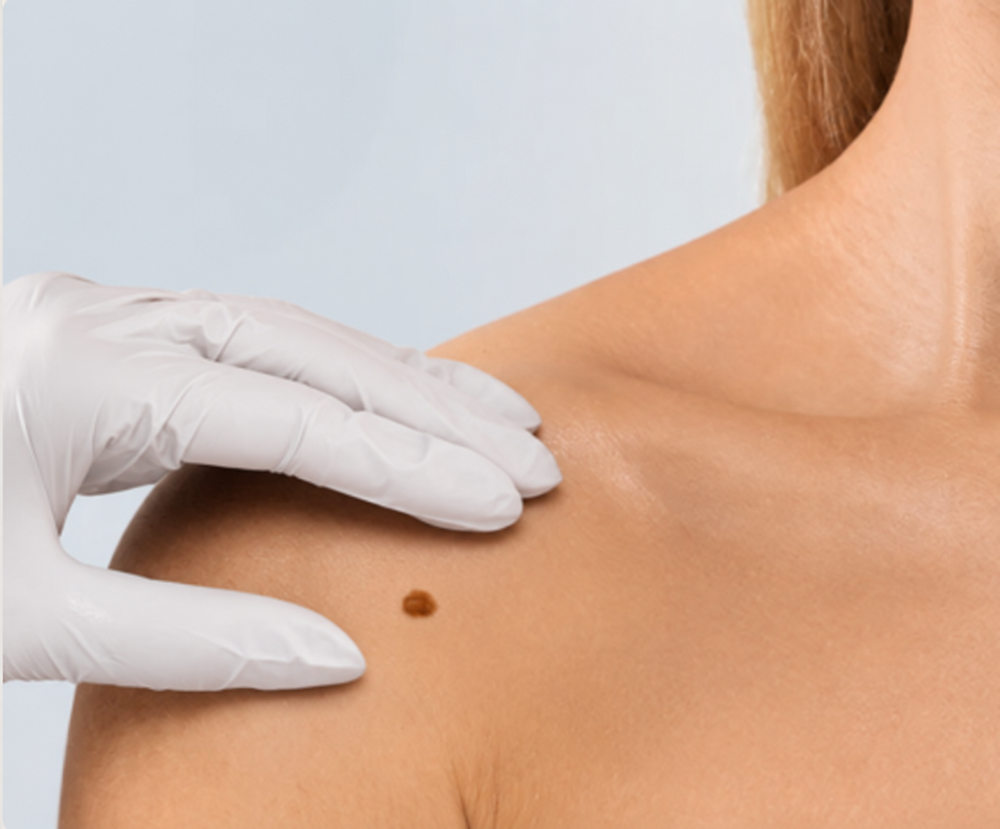 Mole screening
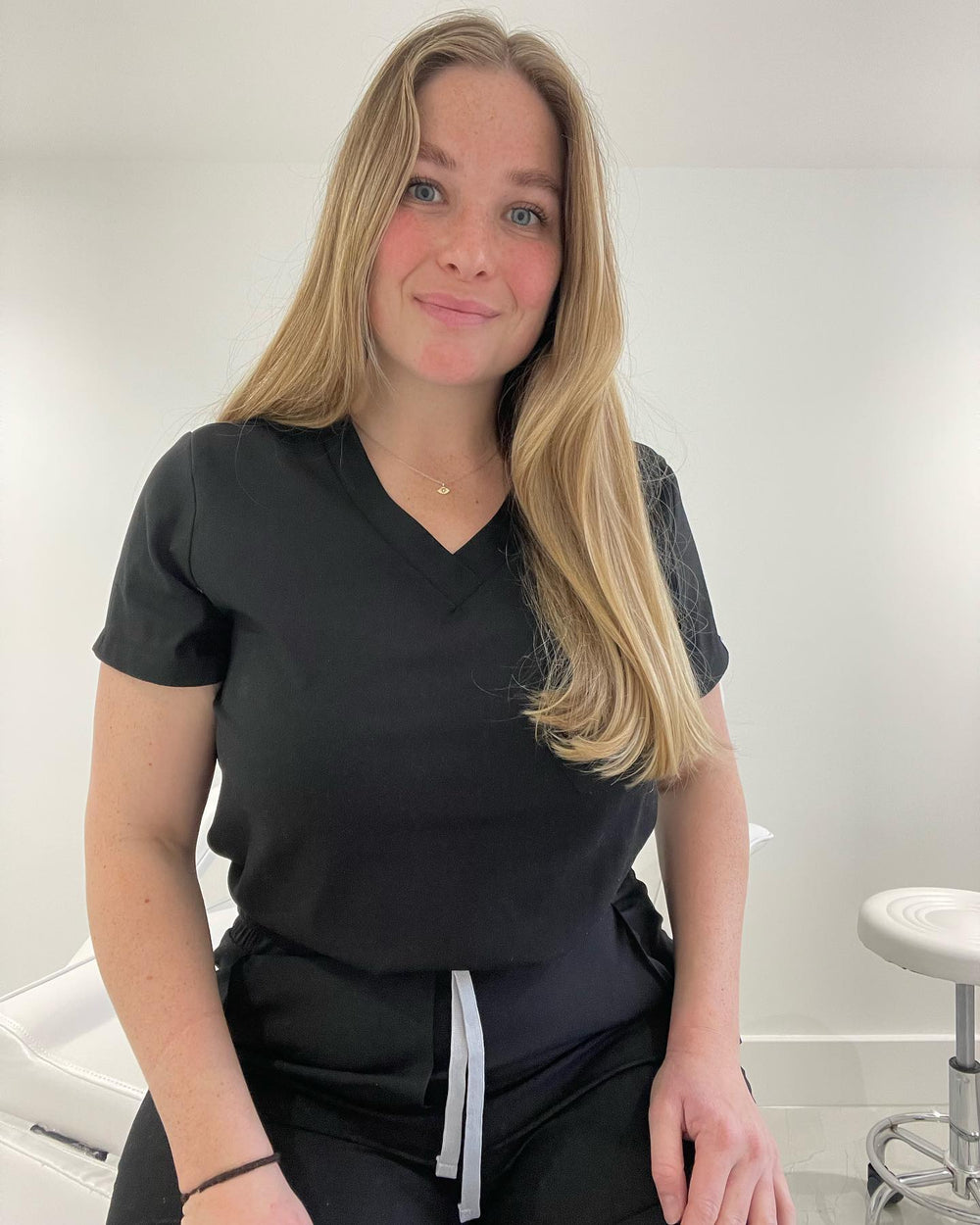 With Anna
How it works
How mole screening works
We use the MapMyMole service, so your moles are seen by a specialist without a long wait.
Your history
Anna talks through any changes you’ve noticed, your skin history and any family history.
Detailed images
Each mole or lesion is examined with a dermoscope and photographed in detail. Up to 3 lesions per appointment.
Consultant dermatologist review
Your images and history are sent to a consultant dermatologist, who reviews them and flags anything that needs a closer look.
Your report within 48 hours
You’ll get a report back within 48 hours, with advice on follow-up and onward referral if it’s needed.
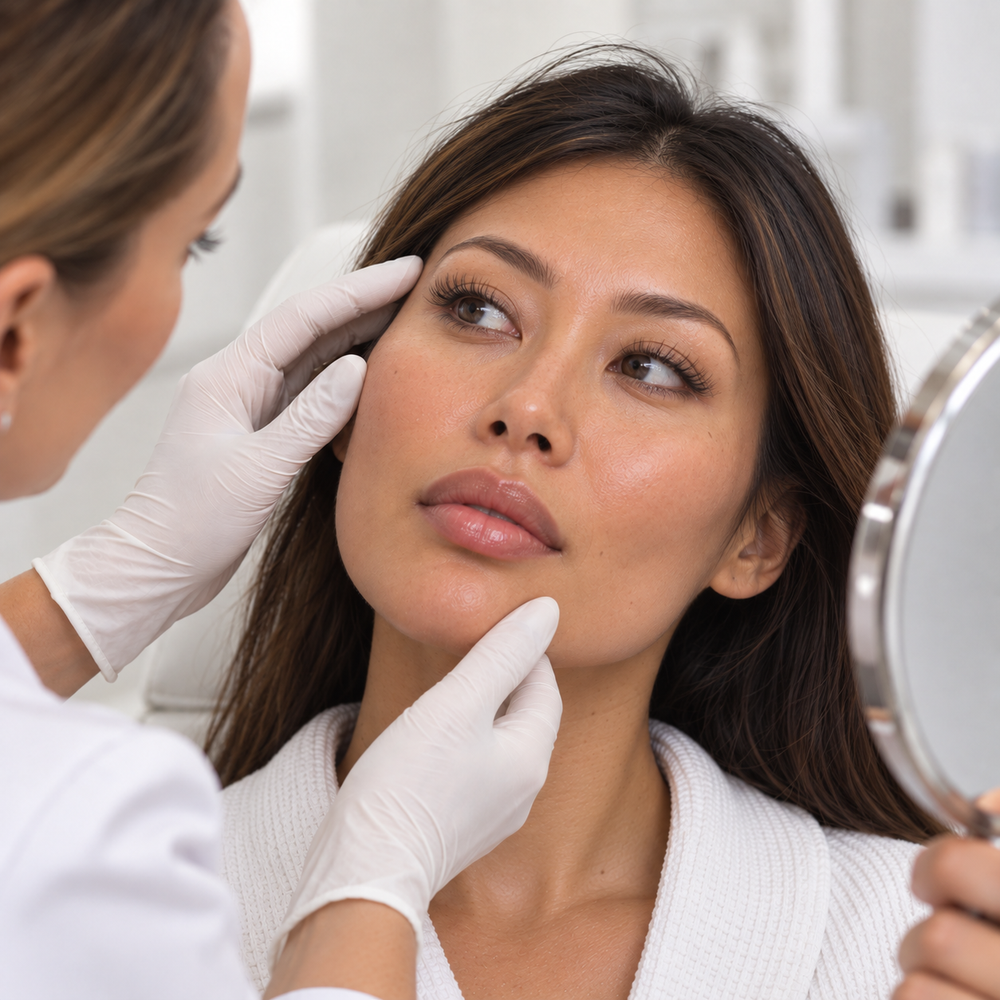 Seen by a specialist
Who it’s for
Should you book a mole check?
Early detection matters. If a mole has changed, or you simply want reassurance, a specialist review is a sensible step.
A mole that’s changed
A change in size, shape, colour or how it feels.
A new mole or lesion
Something new that you’d like checked.
Lots of moles
More moles means more to keep an eye on.
Skin cancer history
A personal or family history of skin cancer.
High sun exposure
Lots of time outdoors, or a history of sunburn.
Peace of mind
You’d simply like a specialist to take a look.
What to expect
Before, during and after
Most moles we photograph aren’t suspicious. They just have unusual features. Photographing them avoids removing harmless moles while flagging the ones that need a closer look.
Preparing
Avoid lotions on the area beforehand and wear loose clothing, so the moles are easy to reach.
30 minutes
Your appointment takes about 30 minutes, for up to 3 lesions.
Within 48 hours
A consultant dermatologist reviews your images and reports back within 48 hours.
Ongoing checks
If you have a history of skin cancer or many moles, checks every 3 to 6 months may be advised. Otherwise, a yearly check plus monthly self-checks at home.
Prices
Mole screening price
Mole and lesion screening
£80
- 30 minutes with Anna
- Detailed images of up to 3 lesions
- Consultant dermatologist review
- Report within 48 hours
CryoPen removal
from£50
Quick removal of skin tags, warts and other minor lesions, with a free review.
About removalSkin Consultation, Scan & Plan
£35
A 30-minute consultation with a Visagé Pro+ scan showing sun damage, pigmentation and more beneath the surface.
Find out moreAll prices include VAT and are taken from our booking system.
Who reviews my moles?
Anna takes your history and detailed images, which are sent through the MapMyMole service to a consultant dermatologist for review. You’ll get a report within 48 hours.
How many moles can be checked?
Up to 3 moles or lesions per appointment.
What happens if something looks concerning?
The dermatologist’s report will say what’s recommended, including onward referral to a specialist if it’s needed.
Why photograph moles instead of removing them?
Most moles we photograph aren’t suspicious for melanoma. They just have unusual features. Photographing them avoids removing harmless moles, while flagging any that need closer evaluation.
How often should I have my moles checked?
If you have a history of skin cancer or many moles, checks every 3 to 6 months may be advised. If you’re lower risk, a yearly check plus monthly self-checks at home is usually enough.
How should I prepare?
Avoid lotions on the area beforehand and wear loose clothing, so the moles are easy to examine.

Book in Hadleigh
Get the peace of mind you’re looking for
Book mole screening with Anna. Your images are reviewed by a consultant dermatologist, with a report back within 48 hours.
Your first step